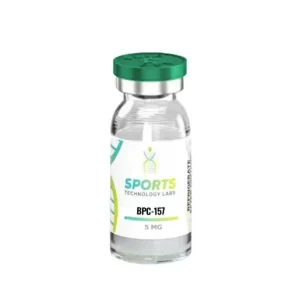
Validated > 99% Lab-grade Peptides
Understanding Peptide Purity: What 99%+ Truly Indicates
It is one factor correct peptide storage and reconstitution methods issue. Partial peptide pieces can arise from incomplete synthesis or post-synthesis deterioration. These fragments are normally smaller sized than the target peptide and might elute at different retention times.- In practice, this commonly involves third-party or independent screening by an outside lab to verify that a peptide item actually has what the label declares [2]
- Identification confirmation is reported in a manner that assists groups understand whether a tidy mass suit absolutely supports the broader quality final thought.
- Examinations can be carried out utilizing high-precision stablizing chambers, imitating different atmospheres, and applying global criteria to examine temporary and long-lasting security, vital for regular peptide performance.
- HPLC informs you what percentage of your example is the primary substance-- yet it does not verify what that major compound actually is.
High-performance Liquid Chromatography (hplc): The Pureness Criterion
The friend page on why 99 percent pureness issues clarifies why tiny contamination portions can still matter in sensitive in-vitro assays. Along with this peptide screening overview, those pages form the trust-methodology layer behind the product magazine. Peptide screening is effective, but scientists need to check out the range of each method thoroughly.
In easy terms, a peptide listed as 95% pure is composed mostly of the target peptide (95%), with the remaining ~ 5% comprised of impurities. These contaminations can consist of points like shortened or abbreviated series, deletion versions, oxidized residues, or various other small side-products from the synthesis process. Peptides are commonly made use of in the clinical visual appeals, cosmetics, and biomedical fields because of their unique organic task and broad application potential. Nevertheless, the high quality of peptide products straight influences their efficiency and safety and security, making accurate quality screening services critical.Crude, Desalted, And High-purity: Understanding Peptide Grades
Unlike a maker's in-house testing, independent third-party lab validation is objective and gives unbiased results, adding integrity through objective logical information. This process is crucial for maintaining high peptide top quality due to the fact that the peptide market is largely uncontrolled in lots of locations, and without recognition some vendors might supply unclean, mislabeled, or even counterfeit peptides [3] Making sure that each set goes through appropriate lab screening helps validate the peptide's authenticity and purity, which is essential for both research study credibility and safety and security. Peptide purity describes the portion of your sample that is the appropriate, full-length peptide series, without other peptide-related impurities. As an example, a purity of 98% indicates that 98% of the peptide material is the intended item, while the various other 2% might be undesired remnants of synthesis (such as incomplete series or amino acid removal variations).
Preserving a high degree of pureness is essential due to the fact that pollutants can affect bioassays or reactions. For example, trimmed peptides or chemically customized side-products could bind to targets or create adverse effects that amaze your results. Specifically changed peptides or cyclic peptide series are challenging to confirm, which impacts quality control. We integrate LC-MS/MS and chemical digestion analysis to exactly verify the sequence and Growth Hormone Peptides alteration websites of non-natural modified peptides. Recurring organic solvents, metal ions, or byproducts from synthesis may cause hazardous side effects.